A joint research project with Leadgate Primary School and Durham County Council’s SEND & Inclusion Service
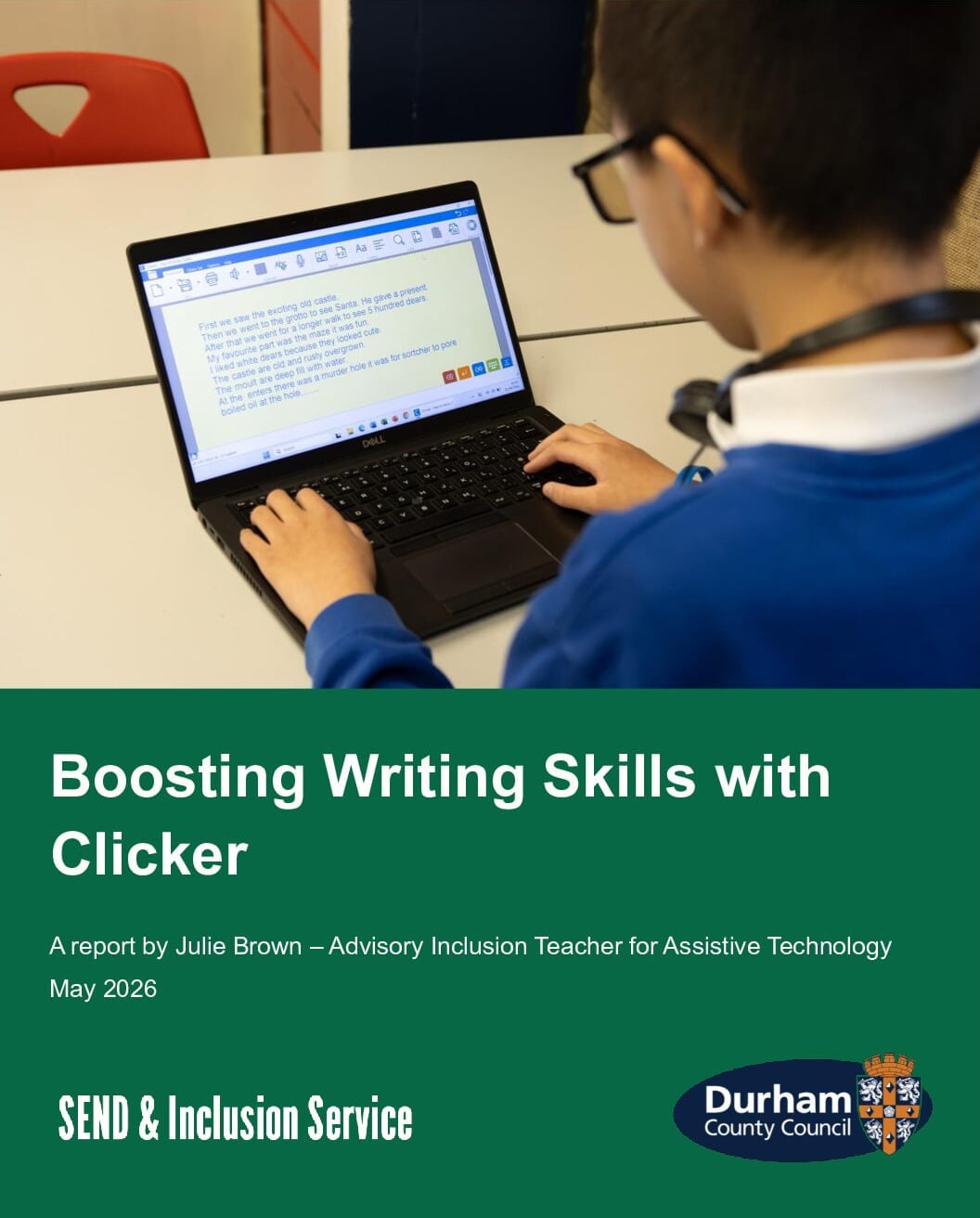
In response to long-standing concerns about writing standards in primary schools, with the DfE reporting that writing outcomes have not recovered since the Covid pandemic, Durham County Council’s SEND & Inclusion Service wanted to explore ways to improve writing outcomes for SEND learners who attend an Enhanced Learning Provision (ELP) within County Durham.
Project objectives
- To assess the effectiveness of Clicker in enhancing the writing skills of children and young people educated in an Enhanced Learning Provision (ELP).
- To compare students' writing performance before and after the use of Clicker software.
- To evaluate the effectiveness of using Clicker to aid independence and empower students to become independent learners.
Project outline
The project involved one primary school with an ELP (Leadgate Primary School) for the duration of one school term. Nine children participated in total (6 boys and 3 girls), aged between 7 and 11 years. This group included all eight pupils currently attending the ELP, alongside one additional mainstream pupil who was invited to take part as staff felt this student would benefit from the additional support provided by Clicker.
The children represented a range of neurodivergent profiles, with needs associated with autism, ADHD, speech, language and communication difficulties, sensory processing differences, and specific learning difficulties, including dyslexia. Most of the children experienced significant challenges with writing.
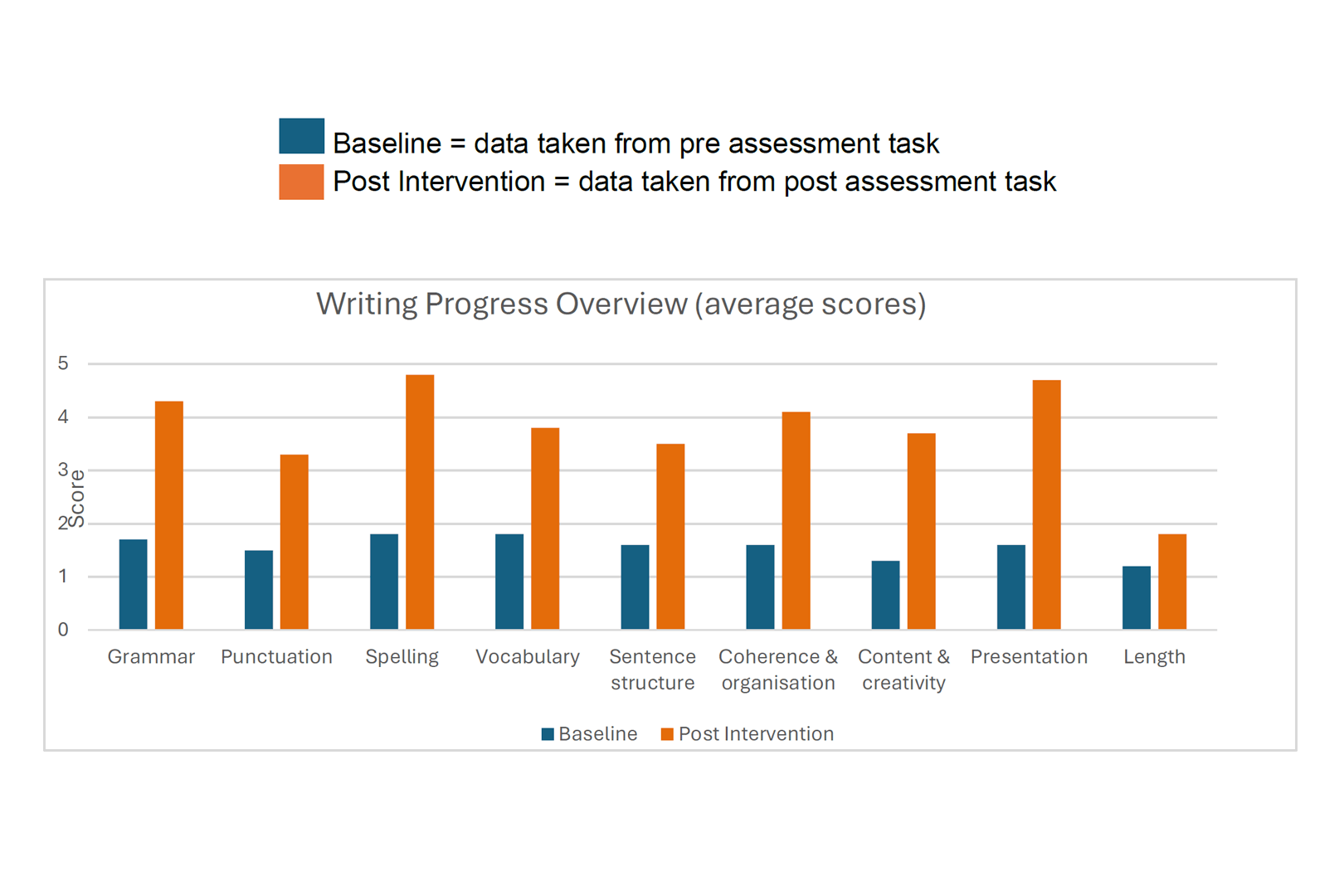
To obtain impact data, school staff undertook a pre-assessment task with each child before the project commenced. They also completed an identical post-assessment task at the end of the project. The tasks assessed six key areas:


ICT skills

Project outcomes

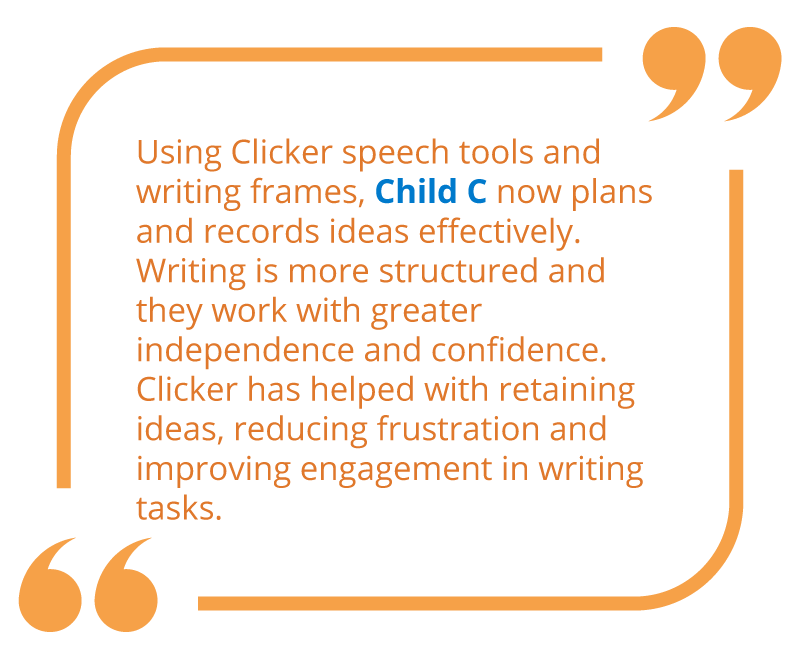
Staff feedback
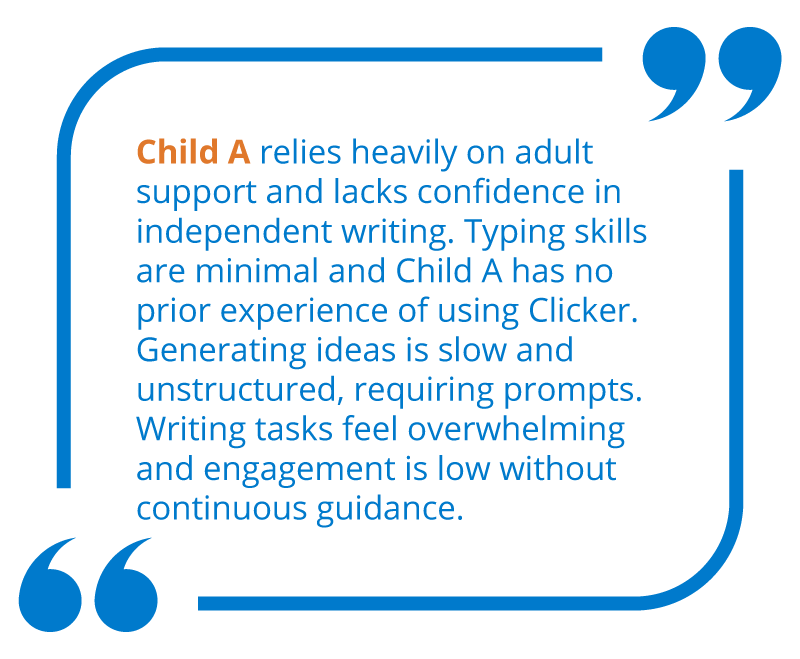
Pre-assessment comments
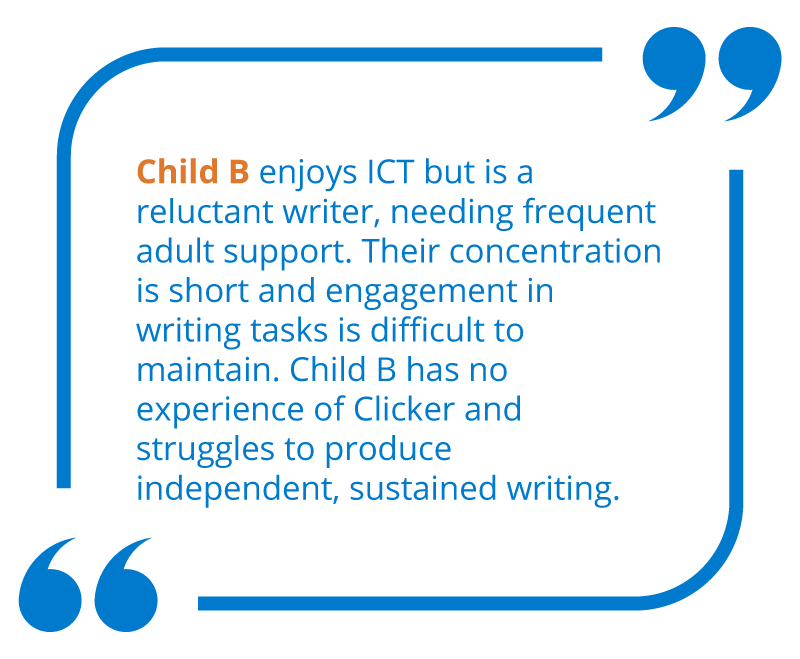
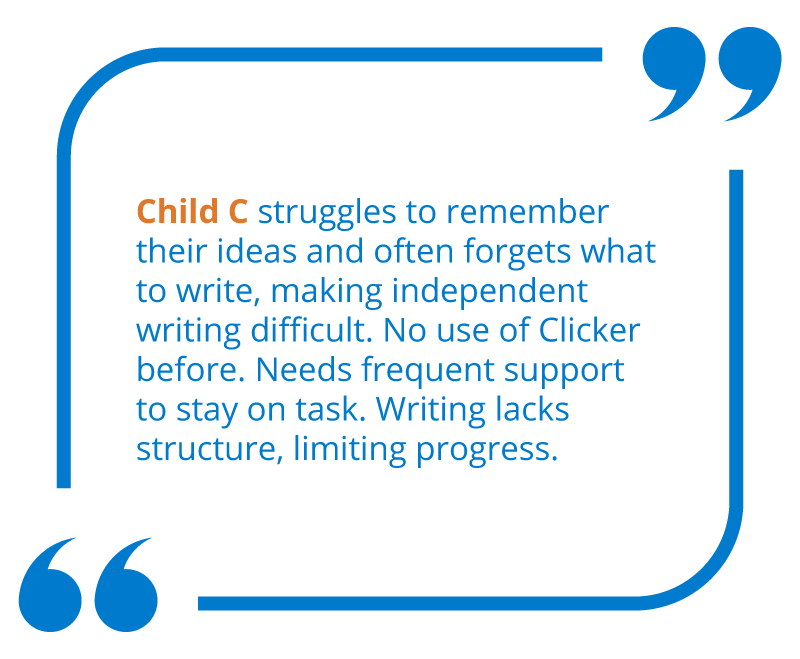
Post-assessment comments
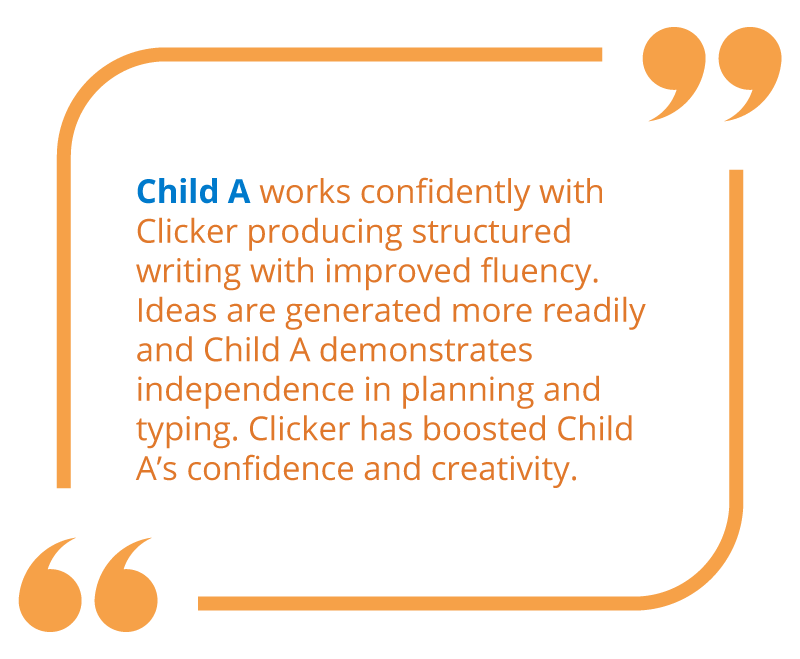
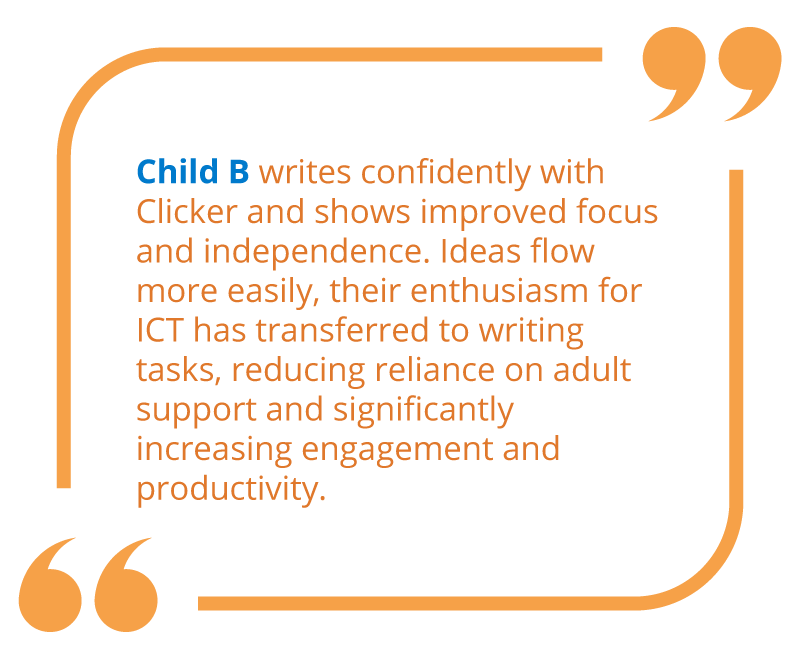
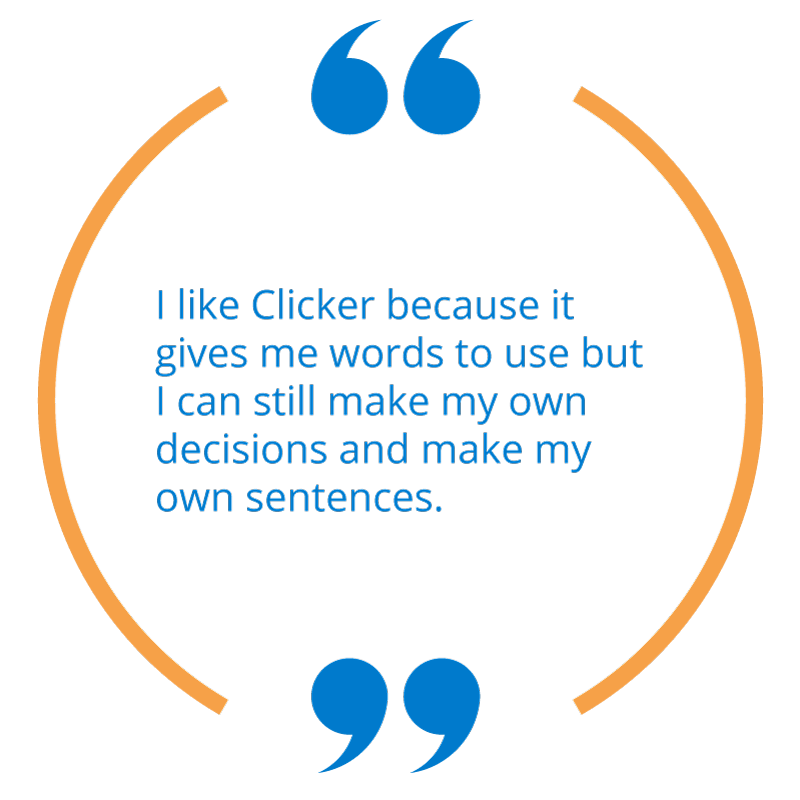
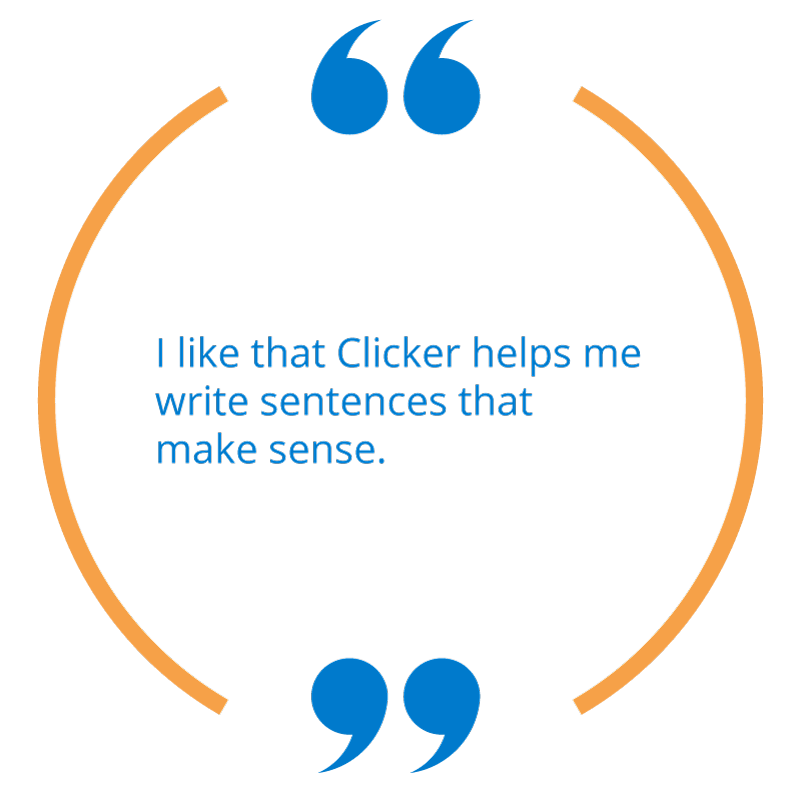
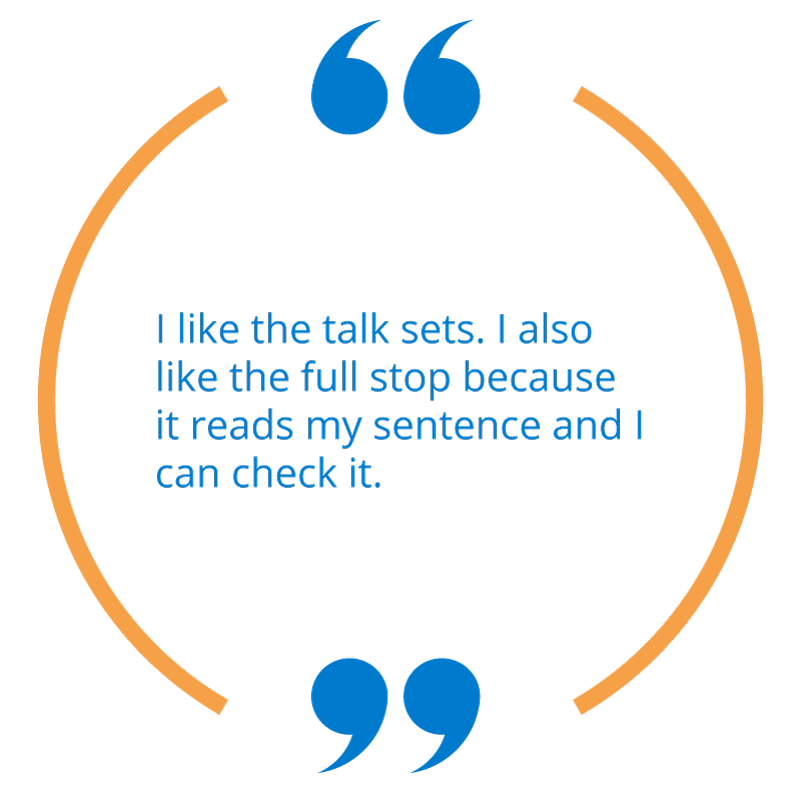
Pupil views
Conclusion from Julie Brown – project lead
(Advisory Inclusion Teacher for Assistive Technology)

Most notably, significant improvements were seen in key aspects of writing, including presentation, content and creativity, coherence and organisation, spelling and grammar.
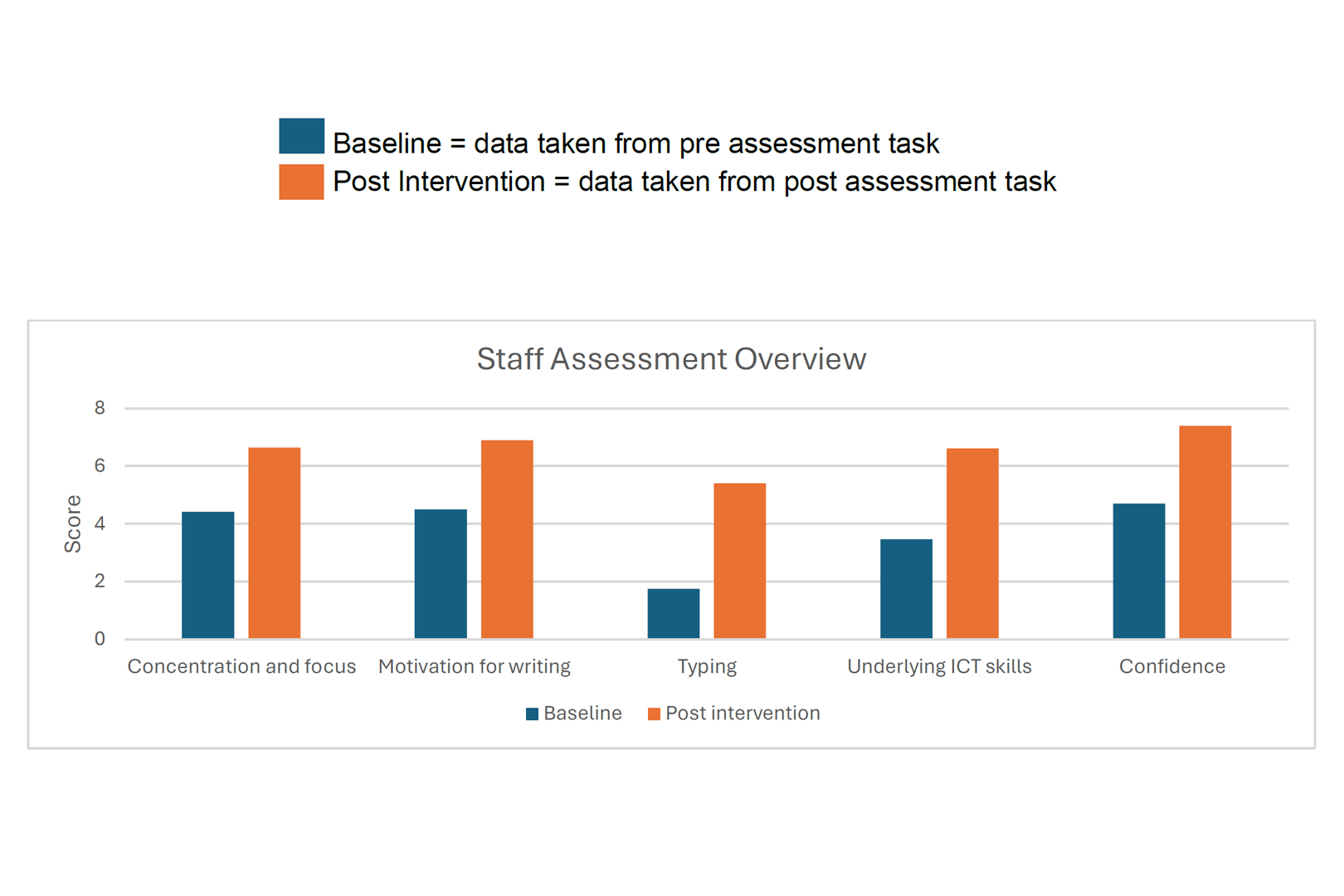
Staff observations and pupil voice data also indicated that children were more willing to engage in writing tasks, sustained attention for longer periods and demonstrated greater pride and ownership in their work when using Clicker.
Importantly, pupils were able to self-check and self-correct more independently, reducing reliance on adult support and contributing to increased confidence as learners.
The findings suggest that embedding Clicker within everyday classroom practice (in alignment with the direction of national SEND reform) has the potential to not only improve writing attainment but also support inclusion, independence and learner wellbeing.